
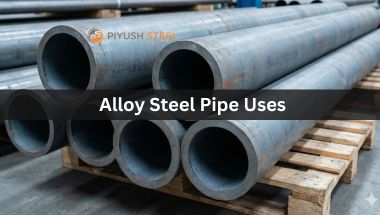
Alloy steel pipes are known for their exceptional mechanical strength, corrosion resistance, and ability to withstand high temperatures and pressure. Manufactured by combining iron with elements like chromium, nickel, molybdenum, vanadium, and manganese, these pipes offer performance benefits far superior to regular carbon steel. Because of their durability and versatility, alloy steel pipes are widely used across industries such as power generation, oil & gas, chemical processing, automotive, construction, and more.
What Are Alloy Steel Pipes?
Alloy steel pipes are steel pipes enhanced by adding alloying elements to improve their mechanical and chemical properties. These elements increase strength, hardness, wear resistance, corrosion resistance, and heat resistance—making alloy steel pipes ideal for demanding industrial environments.
Key characteristics of alloy steel pipes include:
-
High tensile strength
-
Excellent corrosion and oxidation resistance
-
Superior performance in high-temperature applications
-
Long service life
-
Good weldability and machinability (depending on grade)
Top 7 Uses of Alloy Steel Pipes
Here are the most important applications where alloy steel pipes deliver unmatched performance:
1. Power Plants & Boilers
Alloy steel pipes are widely used in thermal and nuclear power plants because they can handle extremely high temperatures, steam pressure, and fluctuations in thermal cycles. They are essential for:
-
Boiler tubes
-
Superheater tubes
-
Heat exchanger tubes
-
Turbine systems
Alloy grades like P11, P22, and P91 are particularly popular for power generation applications.
2. Oil & Gas and Petrochemical Industry
The oil and gas sector demands piping systems that can withstand high pressure, corrosive fluids, and harsh environments. Alloy steel pipes are used in:
-
Refineries
-
Offshore drilling rigs
-
Gas processing plants
-
Hydrocarbon transportation
Their resistance to sulfide stress cracking and corrosion makes them ideal for sour service applications.
3. Chemical & Fertilizer Plants
Chemical manufacturing involves strong acids, alkalis, and reactive compounds. Alloy steel pipes resist corrosion and oxidation, ensuring long-term reliability in:
-
Reactors
-
Pressure vessels
-
Chemical pipelines
-
Fertilizer production units
High chromium and molybdenum alloys offer excellent resistance to aggressive chemicals.
4. Automotive and Mechanical Engineering
Alloy steel pipes are widely used in automotive manufacturing and heavy mechanical industries due to their strength and wear resistance. Common uses include:
-
Suspension systems
-
Steering components
-
Transmission parts
-
Shock absorbers
Their ability to withstand dynamic loads makes them ideal for mechanical applications.
5. Construction & Structural Applications
In construction, alloy steel pipes are preferred for applications requiring high load-bearing capacity and durability. They are used for:
-
Building structures
-
Steel frameworks
-
Industrial sheds
-
Heavy machinery supports
Their superior mechanical strength allows them to handle stress and impact efficiently.
6. Aerospace and Defense Industry
Aerospace applications demand materials that are lightweight yet strong enough to handle extreme conditions. Alloy steel pipes are used in:
-
Aircraft hydraulic systems
-
Fuel lines
-
Structural components
-
Defense vehicle manufacturing
Special alloy compositions help withstand vibration, pressure, and temperature changes.
7. Heat Exchangers & High-Temperature Systems
Alloy steel pipes are crucial in systems where heat transfer takes place. They maintain strength even at high temperatures, making them ideal for:
-
Heat exchanger units
-
Pressure tanks
-
Radiant heaters
-
Thermal power applications
Their thermal stability ensures reliable performance in demanding environments.
Why Choose Piyush Steel for Alloy Steel Pipes?
Piyush Steel is a trusted name in the metal industry, known for delivering high-quality alloy steel pipes with unmatched consistency and reliability. Here’s why they stand out:
1. Wide Range of Alloy Steel Grades
Piyush Steel supplies all major alloy steel grades including P1, P5, P9, P11, P22, P91, and more, suitable for various temperature and pressure requirements.
2. Strict Quality Testing
Each pipe undergoes ultrasonic testing, hydro testing, PMI testing, and third-party inspection to ensure dimensional accuracy and mechanical strength.
3. Global Export Capability
They export alloy steel pipes to the USA, Europe, UAE, Africa, and Asia, ensuring timely delivery and secure packaging.
4. Customized Solutions
From seamless to welded alloy steel pipes, Piyush Steel offers customized lengths, thicknesses, and specifications based on project needs.
5. Competitive Pricing
Their strong supply chain and bulk inventory allow them to offer industry-best pricing without compromising on quality.
6. Industry Expertise
With years of experience, Piyush Steel understands the technical requirements of different industries and provides expert guidance.
7. Customer-Centric Service
Fast response times, transparent communication, and technical support make them a reliable partner for long-term projects.
Final Thoughts
Alloy steel pipes play a vital role across industries that require high performance under challenging conditions. Their strength, corrosion resistance, and heat tolerance make them indispensable in power plants, refineries, chemical processing units, construction, aerospace, and more.
For businesses looking for high-quality alloy steel pipes, Piyush Steel is a dependable choice—offering superior products, certified quality, and global delivery support.