

Plumbing systems are complex networks that require various fittings and connections to ensure smooth water flow, easy maintenance, and durability. One of the most vital yet often overlooked fittings is the union. A plumbing union is a three-part fitting that allows easy separation of pipes without the need to cut or dismantle large sections of the plumbing. This article explores when and why you should use a union in plumbing, with specific examples of different pipe types, such as PVC, PEX, copper, and stainless steel pipes.
What is a Plumbing Union?
A union consists of three main parts: two end sections that are attached to the pipes and a central nut that holds these parts together. The advantage of using a union over a coupling or other fittings is that a union allows for easy disconnection and reconnection without cutting or damaging the pipes.
When to Use a Plumbing Union
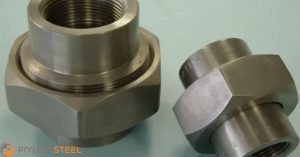
For Easy Maintenance and Repair
One of the most common reasons to use a union is when regular maintenance or repair is anticipated. For instance, in areas where you expect frequent replacement of components like water heaters, water softeners, or valves, using a union makes the process much simpler. By installing a union at strategic points, you can quickly disconnect and replace parts without needing to cut pipes or struggle with wrenches and other tools.
For example, when installing a water heater with copper pipes, a union will allow you to disconnect the water heater without affecting the rest of the system. This can save significant time and reduce the hassle of draining and cutting pipes.
For Connecting Dissimilar Pipe Materials
In some cases, plumbing systems involve the use of different types of pipes, like transitioning from PVC to stainless steel. Using a union in such cases allows for easy transitions and provides a secure and durable connection between two dissimilar materials. For instance, connecting a stainless steel 304 pipe to a PVC drain line may require the use of a union to allow for easy removal and reconnection during repairs or replacements.
This also applies when connecting PEX tubing to copper pipes. Since PEX and copper have different thermal expansion rates, using a union allows flexibility and easy adjustments when needed.
For Movable or Rotating Equipment
Unions are also used in plumbing systems that involve rotating or moving equipment, such as pumps. In these cases, the union makes it easy to disconnect the pump or other equipment for maintenance or replacement without dismantling the entire piping system.
For instance, a PVC pipe connected to a sump pump may benefit from a union fitting. If the pump needs to be replaced or repaired, the union allows for a simple disconnection rather than requiring a full pipe removal.
In Tight Spaces
When working in cramped or confined spaces, such as under sinks, behind walls, or near ceilings, unions provide a convenient way to connect or disconnect pipes without the need for extensive tools or effort. In these areas, traditional fittings like couplings or elbows may be difficult to manipulate or cut.
Imagine you’re working with a stainless steel pipe in a tight basement area. Using a union allows you to quickly and easily detach sections of the pipe for maintenance without the need for extensive work or risk of damaging surrounding pipes.
In Systems Prone to Frequent Changes
In systems where changes to the plumbing layout or components are frequent, such as in industrial or commercial settings, using unions can make future modifications much more manageable. For example, in a system that frequently swaps between PVC and copper pipes due to varying temperature or pressure requirements, unions make it easy to switch between materials without a complete overhaul.
For Equipment That Needs Regular Replacement
Certain plumbing fixtures, such as water meters or filtration systems, require regular replacement or upgrading. Installing unions in these locations makes the replacement process quicker and reduces downtime for your plumbing system.
Take an instance where a PEX pipe is connected to a water filtration system. Using a union here allows you to easily disconnect and replace the system when needed without cutting into the pipe or causing major disruption.
Common Types of Pipe and How They Use Unions
- Copper Pipes: Widely used for hot and cold water lines, copper pipes benefit from unions because they are prone to expansion and contraction. Unions prevent pipe cracking or joint failure over time.
- Stainless Steel Pipes: Durable and corrosion-resistant, stainless steel 304 pipes are often used in industrial and commercial plumbing. Unions in these systems allow for easy maintenance without needing to cut the pipes, making them ideal for harsh environments.
- PEX Pipes: Popular in modern residential plumbing due to their flexibility, PEX pipes are often connected to unions when transitioning to rigid piping materials like copper or when connecting to appliances.
- PVC Pipes: Commonly used for drainage systems, PVC pipes often need unions in cases where they connect to metal pipes or pumps to ensure easy maintenance.
Conclusion
Plumbing unions are invaluable in providing flexibility, ease of maintenance, and a durable connection for a wide range of plumbing systems. Whether you are dealing with PVC, PEX, copper, or stainless steel pipes, understanding when to use a union can save time and reduce the complexity of future repairs or upgrades. If you’re planning a plumbing project, consider where unions could make your work easier, especially in areas where disconnections may be needed for maintenance, equipment replacement, or material transitions. By strategically placing unions in your system, you ensure a more efficient, manageable, and long-lasting plumbing setup.